고정 헤더 영역
상세 컨텐츠
본문
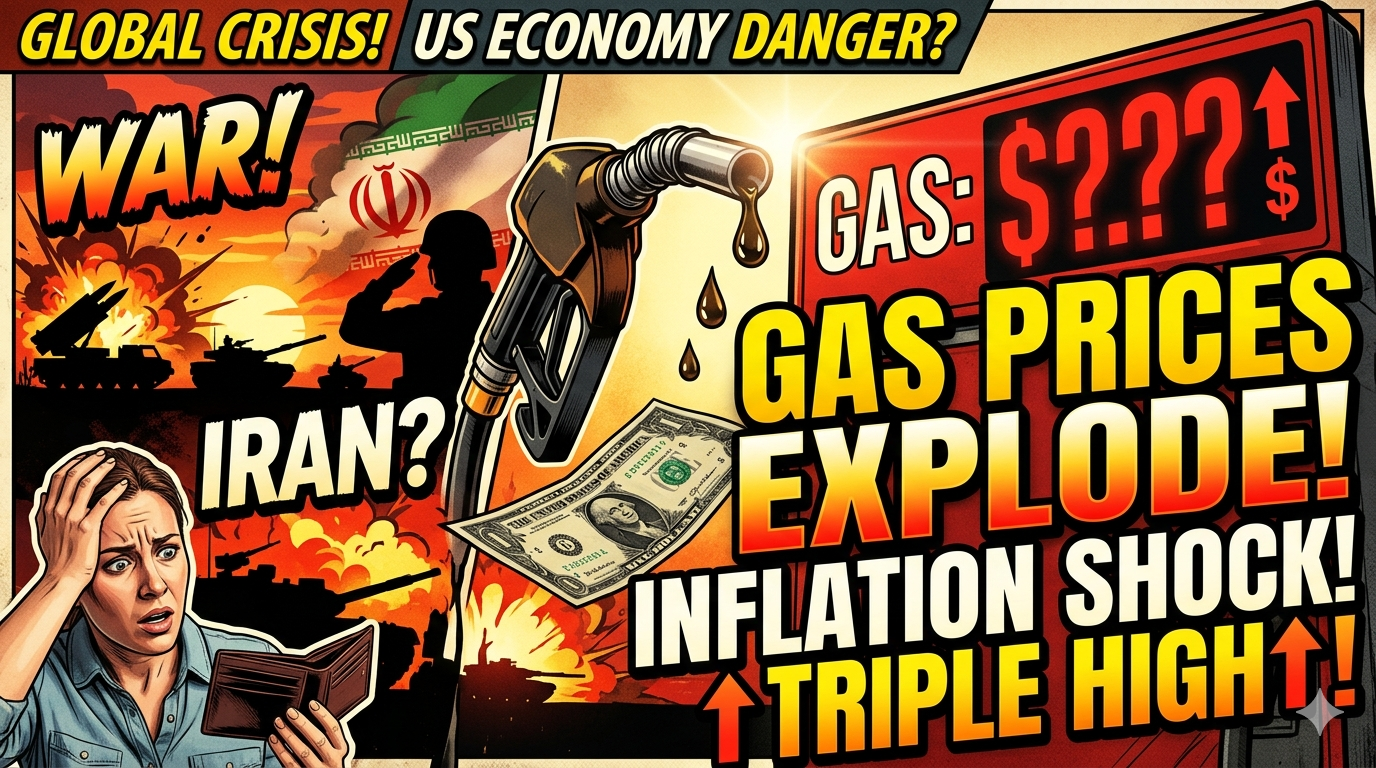
The ongoing war between the United States and Iran is no longer just a foreign policy crisis — it has become a serious economic burden for millions of ordinary Americans. Rising gasoline prices, triggered by the conflict, have pushed U.S. inflation to its highest level in three years, squeezing household budgets across the country.
According to the Labor Department's consumer price index, prices rose 3.8% compared to April 2025 — the biggest annual jump in three years — up from a 3.3% year-over-year gain recorded in March. On a monthly basis, prices climbed 0.6% from March to April, with gasoline prices alone surging 5.4%.
The root cause of this price spike lies in the disruption of global oil supply. The United States and Israel attacked Iran on February 28, and Tehran responded by shutting off access to the Strait of Hormuz — a critical waterway through which roughly a fifth of the world's oil and liquefied natural gas passes. This single decision sent energy markets into a tailspin and has had a direct ripple effect on the American consumer.
Gasoline prices are now more than 28% higher compared to a year ago, according to Labor Department figures, while the AAA motor club reported the average price of a regular gallon of gasoline above $4.50 on Tuesday — about 44% more than it cost at the same time last year.
The pain is not limited to the gas pump. Grocery prices rose 0.7% from March to April, with meat prices climbing after a slight dip the previous month. For working families, the combination of higher fuel and food costs is becoming increasingly difficult to manage.
Heather Long, chief economist at Navy Federal Credit Union, described inflation as the key drag on the U.S. economy, warning that for the first time in three years, inflation is erasing all wage gains — creating a real financial squeeze for middle-class and lower-income households.
Indeed, average hourly wages fell 0.3% from a year earlier in April after accounting for inflation — the first such annual decline in three years.
The political fallout is also significant. Affordability is expected to be a central issue when voters head to the polls in November to decide whether President Trump's Republican Party retains control of the Senate and House of Representatives.
The Federal Reserve, meanwhile, finds itself in a difficult position. Having been expected to cut interest rates in 2026, the Fed has turned cautious as it waits to assess how long the conflict will last and whether rising energy costs will spill over more broadly into other goods and services.
For everyday Americans, the crisis is already very real. Grace King, a 31-year-old administrative assistant from Ames, Iowa, put it plainly: she used to spend $200 a month on clothing but has had to severely cut back, describing pressure "basically everywhere" — from groceries to gas.
The Iran war, now in its tenth week, has transformed from a distant military conflict into a kitchen-table economic issue. Until peace is restored and oil flows freely again, American consumers will continue to feel the heat at the pump and beyond.
'Business' 카테고리의 다른 글
| Moving Your Business Without Losing Your Mind (0) | 2023.10.18 |
|---|---|
| The Things You Need To Sacrifice To Become Rich (1) | 2023.10.13 |


